Archaeology & Ancient Gujarat: Explore Dholavira, Lothal, Buddhist Sites & Ancient Cities
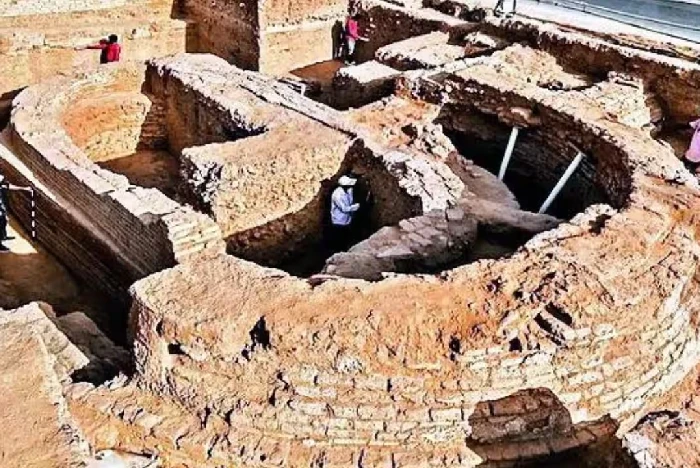
Gujarat is not only famous for its temples, beaches, wildlife and vibrant culture; it is also one of India's most fascinating destinations for archaeology and ancient history. From the remarkable Harappan cities of Dholavira and Lothal to the ancient town of Vadnagar, Buddhist archaeological remains at Dev Ni Mori, the Ashoka Rock Edicts, and the rock-cut caves of Junagadh and Khambhalida, Gujarat offers an extraordinary journey through thousands of years of history.
For travellers interested in archaeology, history and heritage, Gujarat tourism provides an opportunity to explore ancient settlements, inscriptions, fortifications, water-management systems, Buddhist monasteries, caves and historic trading centres.
Among Gujarat's most significant archaeological treasures, Dholavira is particularly important. Located on Khadir Island in Kutch, the ancient Harappan city was occupied approximately between 3000 and 1500 BCE and was inscribed on the UNESCO World Heritage List in 2021. Its sophisticated urban planning, reservoirs, drainage systems, fortifications and evidence of craft production make it an outstanding example of Harappan civilization.
A Gujarat archaeology journey can therefore connect different periods of history, from the Bronze Age Harappan Civilization to Buddhist heritage, ancient trade centres and historic cities. For travellers planning Gujarat tours, this is one of the most fascinating ways to understand the depth and diversity of Gujarat's past.
Dholavira
UNESCO World Heritage Site
Dholavira is one of the most important archaeological destinations in Gujarat and one of the best-preserved urban settlements associated with the Harappan Civilization in South Asia. Located on Khadir Island in the Great Rann of Kutch, the settlement was occupied for around 1,500 years, from approximately 3000 to 1500 BCE.
Dholavira was inscribed on the UNESCO World Heritage List in 2021. The archaeological site contains remains of a fortified city, residential areas, ceremonial spaces, reservoirs, drainage systems, workshops and a cemetery.
Ancient Water Management
One of Dholavira's most remarkable features is its sophisticated water-management system. The ancient settlement developed reservoirs and water-harvesting structures despite being located in an arid environment.
The city's planning demonstrates how Harappan communities adapted architecture and engineering to their surroundings.
Trade and Craftsmanship
Archaeological discoveries at Dholavira include beads, copper objects, shell, stone, jewellery, terracotta and other artefacts. Evidence of long-distance trade demonstrates that Dholavira was connected with wider Harappan and overseas networks.
For travellers choosing Gujarat Tour Packages, Dholavira offers an experience that goes far beyond conventional sightseeing.
Lothal
Ancient Harappan Settlement
Lothal is another major archaeological site associated with the Harappan Civilization in Gujarat. Excavations revealed a planned settlement with an Acropolis and Lower Town, along with evidence of craft production, trade and urban organization.
The site is particularly famous for its large basin traditionally identified as a dockyard and for evidence associated with Harappan maritime and commercial activity.
Lothal and Harappan Trade
Lothal's location near the Gulf of Khambhat made it significant within the wider network of Harappan settlements and coastal trade.
Archaeological discoveries have included seals and other artefacts associated with long-distance exchange, providing evidence of the settlement's commercial importance.
Archaeological Experience at Lothal
Visitors can explore the remains of the ancient settlement and understand its town planning, drainage, industrial activity, residential areas and trading connections.
Lothal is particularly suitable for travellers interested in the relationship between ancient Gujarat, the Harappan Civilization and early maritime trade.
Indus Valley Civilization
Gujarat and the Harappan Civilization
Gujarat played an important role in the southern and western extent of the Harappan Civilization. Archaeological sites across the state provide evidence of settlements, manufacturing, agriculture, trade and interaction with coastal environments.
Dholavira and Lothal are the best-known examples, but Gujarat's Harappan archaeological landscape extends to several other sites.
Urban Planning and Ancient Technology
The Harappan sites of Gujarat demonstrate sophisticated approaches to town planning, construction, drainage, water management and craft production.
Dholavira is especially notable for its planned urban layout, fortified areas and extensive reservoirs.
Major Harappan Sites in Gujarat
Important archaeological locations associated with Harappan heritage include:
- Dholavira
- Lothal
- Surkotada
- Rangpur
- Desalpur
- Kanmer
- Other settlements across Kutch, Saurashtra and the Gulf of Khambhat region
Together, these sites make Gujarat one of India's most interesting destinations for exploring the archaeology of the Harappan world.
Vadnagar
An Ancient Multi-Layered Town
Vadnagar in Mehsana district is one of Gujarat's important historic and archaeological towns. Archaeological evidence indicates a long sequence of habitation and successive cultural periods.
The town contains historic fortifications, archaeological remains, temples, water bodies, gates and other heritage structures.
Buddhist Heritage of Vadnagar
Archaeological excavations at Vadnagar have revealed remains associated with Buddhist activity, including a Buddhist monastery and votive stupas.
These discoveries add another important layer to Gujarat's Buddhist and archaeological history.
Vadnagar Travel Experience
Visitors can combine archaeological exploration with attractions such as Kirti Toran, Sharmishtha Lake and historic temples.
For travellers interested in Gujarat tourism, Vadnagar is an excellent destination for understanding how an ancient settlement developed through successive historical periods.
Dev Ni Mori
Buddhist Archaeological Site
Dev Ni Mori, located near Shamlaji in the Aravalli region, is an important Buddhist archaeological site of Gujarat.
Excavations uncovered the remains of a Buddhist monastery, a stupa and associated structures dating to the early centuries of the Common Era.
Stupa and Relic Evidence
One of the most significant discoveries at Dev Ni Mori was an inscribed relic casket found during excavation of the stupa.
The discovery provides important evidence for understanding Buddhist traditions and religious activity in ancient Gujarat.
Dev Ni Mori and Shamlaji
Dev Ni Mori is located close to Shamlaji, making it possible to combine Buddhist archaeology with the area's religious and cultural attractions.
For travellers planning Gujarat Tour Packages, the combination of Shamlaji and Dev Ni Mori offers an interesting experience involving archaeology, religion and regional history.
Buddhist Circuit
Gujarat's Buddhist Heritage
Gujarat has a significant Buddhist archaeological heritage extending across several regions. Buddhist remains include archaeological sites, rock-cut caves, inscriptions, monasteries and sculptures from different historical periods.
The circuit demonstrates the presence of Buddhist communities and traditions across parts of ancient Gujarat and the state's connection with wider cultural and trade networks.
Important Buddhist Sites
The Gujarat Buddhist heritage circuit can include:
- Dev Ni Mori
- Ashoka Rock Edicts, Junagadh
- Uparkot Buddhist Caves
- Khapra Kodiya Caves
- Baba Pyare Caves
- Khambhalida Buddhist Caves
- Talaja Hills
- Kadia Dungar
- Siyot Caves
- Taranga Caves
Buddhist Heritage Experience
A Buddhist-focused Gujarat tour can combine archaeological exploration with the natural landscapes, temples, historic towns and cultural attractions surrounding these sites.
This makes Gujarat an interesting destination for travellers who want to explore India's Buddhist history beyond the country's more commonly visited Buddhist destinations.
Ashoka Rock Edicts
Rock Inscriptions at Girnar
The Ashoka Rock Edicts near Junagadh are among Gujarat's most important ancient inscriptions.
The large rock contains inscriptions associated with Emperor Ashoka and dates to the 3rd century BCE. The inscriptions are written in Brahmi script and provide important evidence about the Mauryan period.
Historical Importance
The inscriptions communicate ideas relating to ethical conduct, compassion, restraint and respect for others.
The same rock also contains later inscriptions, making it an important record of different periods in Gujarat's history.
Ashoka Edicts and Junagadh
The Ashoka Rock Edicts can be combined with Girnar, Uparkot Fort and other archaeological attractions of Junagadh.
For a heritage-focused Gujarat tour, Junagadh provides an exceptional concentration of historical and archaeological sites.
Uparkot Caves
Buddhist Rock-Cut Heritage
Junagadh's Uparkot area contains important Buddhist rock-cut remains associated with the ancient history of the city.
The caves and monastic spaces demonstrate the presence of Buddhist communities and the development of rock-cut architecture in the region.
Architecture and Carvings
The Buddhist cave complexes around Uparkot contain carved chambers, pillars and architectural features reflecting ancient rock-cut traditions.
The wider Uparkot complex also contains historic fortifications, stepwells and structures from different periods.
Uparkot and Junagadh Heritage
A visit to Uparkot can be combined with:
- Ashoka Rock Edicts
- Khapra Kodiya Caves
- Baba Pyare Caves
- Girnar
- Adi Kadi Vav
- Navghan Kuvo
- Uparkot Fort
This makes Junagadh one of the key destinations for archaeology-focused Gujarat tours.
Khambhalida Caves
Buddhist Caves near Rajkot
Khambhalida Buddhist Caves are located in the Rajkot region and represent another important chapter of Gujarat's Buddhist archaeological heritage.
The caves are carved into limestone and include a central chaitya-like shrine space.
Bodhisattva Sculptures
One of the most remarkable features of Khambhalida is the sculptural decoration around the central cave.
Large Bodhisattva figures, traditionally identified as Avalokiteshvara and Vajrapani, flank the entrance.
These sculptures make Khambhalida particularly valuable for visitors interested in ancient Indian Buddhist art and rock-cut architecture.
Historical Importance
Khambhalida demonstrates how Buddhist artistic traditions became part of the cultural landscape of Saurashtra.
The site can be combined with other attractions around Rajkot and Saurashtra to create a heritage-focused Gujarat tour.
Ancient Cities of Gujarat
Dholavira – Harappan Urban Centre
Dholavira represents one of the earliest major urban settlements in Gujarat. Its planned streets, fortified areas, reservoirs, workshops and cemetery provide evidence of sophisticated Bronze Age urban life.
Lothal – Harappan Trading Settlement
Lothal provides evidence of Harappan urban planning, craft production and long-distance trade. Its famous basin and location near the Gulf of Khambhat are closely associated with its maritime character.
Vadnagar – Multi-Layered Historic Town
Vadnagar has archaeological deposits representing successive cultural periods and evidence of long-term habitation. Its archaeological remains demonstrate the continuity and transformation of settlement in North Gujarat.
Vallabhi – Ancient Centre of Learning
Vallabhi, in Saurashtra, was an important centre during the Maitraka period and is associated with Buddhist and Jain learning traditions.
It forms an important part of the broader story of Gujarat's ancient and early medieval intellectual heritage.
Junagadh – Ancient Girnar Region
Junagadh has a remarkable concentration of archaeological evidence, including the Ashoka Rock Edicts, Uparkot Fort and Buddhist cave complexes.
Its location near Girnar contributed to its importance as a historic cultural centre.
Bharuch – Ancient Trading Region
Bharuch, historically associated with the ancient name Bhrigukachchha, developed as an important centre of trade because of its location near the Narmada and Arabian Sea.
Its long commercial history illustrates Gujarat's enduring role in maritime exchange.
Why Explore Archaeology in Gujarat?
A Journey Through Thousands of Years
One of the biggest attractions of archaeological Gujarat is the extraordinary chronological range available to travellers.
A Gujarat heritage journey can connect:
Harappan Civilization → Mauryan Period → Buddhist Heritage → Ancient Trade Centres → Early Historic Cities → Medieval Gujarat
Ancient Engineering and Architecture
Sites such as Dholavira demonstrate ancient expertise in urban planning and water management, while Lothal provides insight into trade and craft production.
Buddhist caves reveal rock-cut architecture, while inscriptions preserve information about important historical periods.
Archaeology Meets Travel
Archaeological tourism in Gujarat does not have to be limited to ruins. These destinations can be combined with temples, wildlife, handicrafts, heritage towns, local cuisine and cultural experiences.
This makes Gujarat tourism suitable for families, students, history enthusiasts, photographers, researchers and international travellers.
Gujarat Archaeology Circuits
Harappan Archaeology Circuit
Ahmedabad → Lothal → Dholavira → Other Kutch Harappan Sites
This circuit is ideal for travellers interested in the Indus Valley and Harappan Civilization.
Buddhist Heritage Circuit
Vadnagar → Dev Ni Mori → Junagadh → Uparkot → Khambhalida
This circuit focuses on Buddhist archaeological remains, caves, sculptures and inscriptions across Gujarat.
Ancient Gujarat Heritage Circuit
Lothal → Vadnagar → Junagadh → Bharuch → Other Historic Centres
This option combines archaeology with the broader history of Gujarat's ancient cities and trading networks.
Best Time to Explore Archaeological Gujarat
October to March
The cooler months from October to March are generally more comfortable for exploring archaeological sites, especially outdoor ruins, caves and ancient settlements.
Summer Travel
April to June can be hot, particularly in Kutch and other exposed archaeological areas. Early morning visits, adequate hydration and sun protection are recommended.
Monsoon
The monsoon can transform parts of Gujarat's landscape, but outdoor archaeological exploration may require flexibility because of rainfall and road conditions.
How Many Days Are Required for an Archaeology Tour?
3–4 Days
Suitable for a focused archaeological experience covering destinations such as Lothal, Vadnagar and Dev Ni Mori.
5–7 Days
Suitable for combining North Gujarat archaeology with Junagadh and Saurashtra's Buddhist heritage.
8–10 Days
Ideal for travellers who want to combine major destinations such as Lothal, Vadnagar, Dev Ni Mori, Junagadh, Khambhalida and Dholavira.
The exact duration can be customized according to the traveller's interests and preferred pace.
Responsible Archaeological Tourism
Respect Ancient Sites
Visitors should avoid touching, climbing on or damaging archaeological structures, sculptures and ancient remains.
Follow Heritage Rules
Archaeological sites are protected heritage resources. Visitors should follow entry, photography and visitor-management regulations.
Support Local Communities
Choosing local guides, accommodation, handicrafts and local experiences can help connect tourism with communities around heritage destinations.
Travel with Historical Context
A knowledgeable local guide can make archaeological destinations more meaningful by explaining settlement patterns, inscriptions, architecture and discoveries.
Gujarat Tour Packages for History & Archaeology
Travellers interested in ancient history can create customized Gujarat Tour Packages around specific archaeological themes.
Popular options can include:
- Dholavira & Kutch Archaeology Tour
- Lothal & Harappan Civilization Tour
- Vadnagar & North Gujarat Heritage Tour
- Buddhist Circuit Gujarat Tour
- Junagadh Archaeology Tour
- Gujarat History & Culture Tour
- Ancient Gujarat Heritage Tour
- Gujarat Archaeology & Heritage Tour
These experiences can also be combined with Gujarat's temples, wildlife, beaches, handicrafts and cultural attractions.
Explore Ancient Gujarat with Gujarat Tours
Gujarat's archaeological heritage tells a story that stretches across thousands of years—from the remarkable urban planning of Dholavira and Lothal to the inscriptions of Ashoka, Buddhist caves and monasteries, ancient trading centres and the historic town of Vadnagar.
For travellers who want to experience Gujarat beyond conventional attractions, an archaeology-focused journey offers an opportunity to discover ancient cities, forgotten settlements, remarkable engineering, religious traditions and historic trade routes.
Plan your customized Gujarat tours with Gujarat Tours and explore the archaeological, historical and cultural treasures of Gujarat through a thoughtfully designed Gujarat Tour Package.