Gujarat Heritage & History: Explore Forts, Stepwells, Temples & Historic Cities
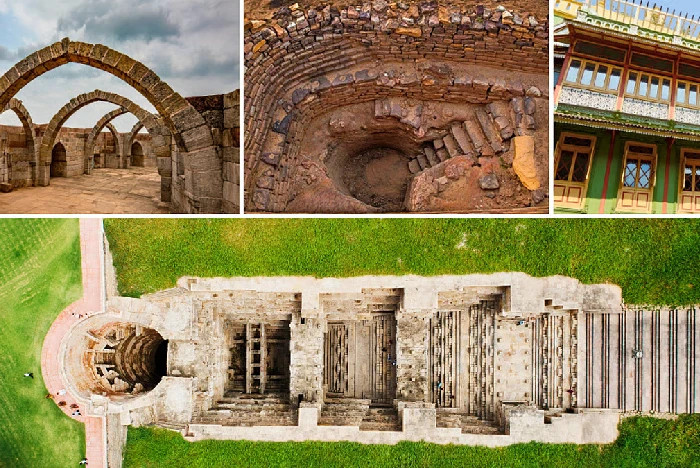
Gujarat is one of India’s most fascinating destinations for travellers interested in heritage, history, architecture, culture and ancient traditions. From UNESCO World Heritage Sites and magnificent stepwells to historic forts, ancient cities, temples and traditional neighbourhoods, Gujarat offers an extraordinary journey through centuries of Indian history. A Gujarat heritage tour allows travellers to discover the architectural influences of Hindu, Jain, Islamic, Rajput, Sultanate and colonial periods while experiencing the living culture of the state.
For travellers planning Gujarat tours, the state offers an impressive combination of historical attractions. Ahmedabad’s historic pols, Patan’s Rani Ki Vav, Adalaj Stepwell, Champaner-Pavagadh, Bhuj’s heritage, Vadnagar’s ancient legacy, Modhera’s Sun Temple, Junagadh’s forts and caves, Lakhpat Fort and Surat Castle each reveal a different chapter of Gujarat’s past.
Gujarat’s heritage is particularly remarkable because history is not restricted to isolated monuments. Traditional houses, markets, temples, mosques, stepwells, fortified settlements and pilgrimage centres continue to form part of everyday life. The Historic City of Ahmedabad, for example, was founded by Sultan Ahmad Shah in 1411 and is recognised by UNESCO for its historic urban fabric, traditional pols, wooden architecture, monuments and multicultural character.
Whether you are interested in architecture, archaeology, spirituality, royal history or cultural experiences, including heritage destinations in your Gujarat Tour Packages can transform an ordinary holiday into an immersive journey through the history of western India.
Ahmedabad Heritage
Historic City of Ahmedabad
Ahmedabad is an essential destination on any Gujarat heritage tour. Founded by Sultan Ahmad Shah in 1411, the old walled city developed into an important centre of trade, culture and architecture. Its historic character can be experienced through its traditional pols, intricately carved wooden houses, gates, mosques, temples, markets and historic public spaces. UNESCO inscribed the Historic City of Ahmedabad on the World Heritage List in 2017.
Heritage Attractions in Ahmedabad
A heritage walk through Ahmedabad can include Bhadra Fort, Teen Darwaza, Jama Masjid, Sidi Saiyyed Mosque, Manek Chowk, traditional pols and old city gates. The city's wooden architecture and closely connected residential neighbourhoods demonstrate how communities developed distinctive forms of urban living over centuries.
Ahmedabad is particularly valuable for travellers who want to experience living heritage, where historic architecture exists alongside markets, homes, religious institutions and everyday city life.
Rani Ki Vav
Queen’s Stepwell at Patan
Rani Ki Vav is one of the most spectacular monuments included in Gujarat tourism and is an important highlight of a Gujarat heritage itinerary. Located in Patan on the banks of the Saraswati River, the stepwell was constructed in the 11th century and was originally conceived as a memorial to a king.
The monument is famous for its elaborate underground architecture, seven levels of stairs and extensive sculptural decoration. UNESCO describes Rani Ki Vav as an outstanding example of subterranean water architecture, combining functional water management with temple-like artistic expression.
Architecture of Rani Ki Vav
The stepwell contains hundreds of principal sculptures along with numerous smaller sculptural elements depicting religious, mythological and secular themes. Its detailed carvings demonstrate the sophistication of the Maru-Gurjara architectural tradition.
For travellers interested in architecture and history, Rani Ki Vav is an important addition to Gujarat Tour Packages, particularly when combined with Patan, Modhera and other heritage destinations of northern Gujarat.
Adalaj Stepwell
Adalaj Ni Vav
Located near Ahmedabad, Adalaj Stepwell is another remarkable example of Gujarat's traditional water architecture. Built in the 15th century, the stepwell demonstrates how water conservation, architecture and artistic expression were integrated into a single structure.
Its multi-level design features beautifully carved pillars, galleries and decorative motifs. The changing light and temperature as visitors descend into the stepwell also reveal the practical intelligence behind traditional Gujarati architecture.
Heritage Experience at Adalaj
Adalaj can easily be included in Gujarat tours covering Ahmedabad and northern Gujarat. Its proximity to Ahmedabad makes it particularly suitable for travellers looking for a short heritage excursion while exploring the region's architectural traditions.
Champaner-Pavagadh
UNESCO World Heritage Site
Champaner-Pavagadh Archaeological Park is one of Gujarat's most important heritage destinations and a UNESCO World Heritage Site. The archaeological landscape contains remains spanning prehistoric, Hindu and Islamic periods, including fortifications, palaces, religious structures, residential areas and water-retention systems.
Champaner Architecture
Champaner became particularly significant during the reign of Sultan Mahmud Begada, who developed it as a capital. The Great Mosque, fortifications, tombs, temples and water structures demonstrate the interaction of different architectural traditions.
The site is especially significant because its architecture reflects the meeting of Hindu and Islamic traditions. UNESCO notes that Champaner represents a distinctive combination of religious, military and agricultural structures and includes the remains of a regional capital dating to the 16th century.
Pavagadh Heritage and Pilgrimage
Pavagadh Hill adds a spiritual dimension to the heritage experience. The Kalika Mata Temple at the summit remains an important pilgrimage destination. This combination of archaeology, architecture, landscape and living religious traditions makes Champaner-Pavagadh an important stop on Gujarat heritage tours.
Lakhpat Fort
Historic Fortified Settlement
Lakhpat Fort is located in the Kutch region near the western edge of Gujarat. Its massive walls surround a historic settlement that once had considerable commercial importance because of its location near routes connecting Kutch with Sindh and the Arabian Sea.
Today, Lakhpat offers a very different heritage experience from the urban monuments of Ahmedabad. Its imposing fort walls, historic religious buildings and atmospheric surroundings provide a glimpse into the region's changing fortunes.
Lakhpat on a Gujarat Heritage Tour
Lakhpat can be combined with destinations such as Bhuj, Dhordo, Hodka, Kalo Dungar and Narayan Sarovar to create an extended Kutch heritage itinerary. Travellers interested in history and traditional architecture can include Lakhpat as part of carefully planned Gujarat Tour Packages.
Uparkot Fort
Ancient Fort of Junagadh
Uparkot Fort is one of the defining historic landmarks of Junagadh. Gujarat Tourism states that the fort is traditionally believed to date back to the Mauryan period and has been expanded and modified over many centuries. Its massive ramparts, historic structures, Buddhist caves and stepwells reflect the long history of Junagadh.
Adi Kadi Vav and Navghan Kuvo
Two particularly fascinating features inside Uparkot are Adi Kadi Vav and Navghan Kuvo. These rock-cut water structures demonstrate the importance of water management in fortified settlements.
Uparkot also provides views towards Girnar and offers travellers an opportunity to explore multiple layers of Junagadh's history within one fortified complex.
Bhuj Heritage
Historic Heart of Kutch
Bhuj is an important cultural and heritage centre of Kutch. The city and surrounding region have long been associated with traditional crafts, textiles, palaces, historic buildings and distinctive architectural traditions.
A Bhuj heritage experience can include Aina Mahal, Prag Mahal, Hamirsar Lake and the old city area, along with nearby villages known for embroidery, weaving, pottery, leatherwork and other traditional crafts.
Bhuj and Kutch Culture
One of the major attractions of Kutch heritage is the connection between architecture and living culture. Traditional crafts and communities continue to preserve distinctive artistic traditions that make the region an important part of Gujarat tourism.
Travellers can combine Bhuj with Mandvi, Lakhpat, Dholavira, Dhordo, Hodka and other Kutch destinations for a comprehensive Gujarat heritage and cultural itinerary.
Vadnagar
Ancient Heritage of Vadnagar
Vadnagar is an ancient town in northern Gujarat with a history extending across several periods. Its archaeological and cultural importance makes it a valuable destination for travellers exploring Gujarat beyond the better-known heritage landmarks.
The town has historic temples, traditional streets and archaeological remains that reflect its long development as an important settlement.
Vadnagar Heritage Experience
Vadnagar can be combined with Modhera and Patan to create a northern Gujarat heritage circuit. This route provides travellers with opportunities to experience ancient settlements, temple architecture, stepwell architecture and the cultural landscape of northern Gujarat.
Modhera
Modhera Sun Temple
The Sun Temple at Modhera is one of Gujarat's finest examples of temple architecture and an important destination for Gujarat heritage tours. Constructed during the Solanki period, the temple complex is dedicated to the Sun God and is celebrated for its architectural planning and detailed stone carvings.
Surya Kund and Temple Architecture
The Modhera complex includes the main temple, Sabha Mandap and the magnificent Surya Kund, a stepped water tank decorated with numerous small shrines.
The temple's orientation, sculptural decoration, geometric planning and relationship between the temple and water structure demonstrate the sophisticated architectural traditions that developed in medieval Gujarat.
A combination of Modhera, Patan and Vadnagar is an excellent way to explore the architectural heritage of northern Gujarat.
Junagadh Heritage
Historic Junagadh
Junagadh is one of Gujarat's richest destinations for exploring layered history. Located at the foot of Girnar, the city contains forts, caves, palaces, religious sites and monuments associated with different periods.
Buddhist Caves and Historic Monuments
The Uparkot Fort, Buddhist caves, Mahabat Maqbara and nearby Girnar heritage provide an opportunity to explore different architectural and cultural traditions.
Junagadh is especially attractive for travellers who want to combine history with spirituality and nature. A Gujarat itinerary can connect Junagadh with Gir National Park, Somnath, Dwarka and Girnar, creating a diverse Saurashtra travel experience.
Surat Castle
Surat's Historic Fort
Surat Castle is an important reminder of Surat's historical importance as a major trading port. Located near the Tapi River, the fort reflects the city's strategic importance and its long association with maritime commerce and regional trade.
Heritage of Surat
Surat's heritage extends beyond its fort. Historic neighbourhoods, religious buildings, traditional markets and its long-standing textile and diamond industries contribute to the city's distinctive cultural identity.
For travellers interested in Gujarat's commercial and maritime history, Surat can be incorporated into a broader Gujarat heritage tour alongside destinations in central and southern Gujarat.
Gujarat Heritage Tour
Best Heritage Circuit in Gujarat
A well-planned Gujarat Heritage Tour can combine several major historical destinations rather than focusing on a single city. A sample route can include:
Ahmedabad → Adalaj → Modhera → Patan → Vadnagar → Champaner-Pavagadh → Junagadh → Bhuj → Lakhpat → Surat
The exact route can be customised according to travel duration, interests and starting point.
Heritage Experiences to Include
A complete Gujarat heritage holiday can include:
- UNESCO World Heritage Sites
- Historic forts and fortified cities
- Stepwells and traditional water architecture
- Ancient temples
- Sultanate-era monuments
- Buddhist archaeological sites
- Royal palaces
- Traditional pol houses
- Kutch architecture and crafts
- Historic markets and trading centres
- Cultural and religious experiences
Why Choose a Gujarat Heritage Tour?
Gujarat offers a rare combination of ancient history, architectural diversity, living traditions and cultural landscapes. The state allows travellers to move from the medieval streets of Ahmedabad to the sculptural grandeur of Rani Ki Vav, from the archaeological landscape of Champaner to the forts of Kutch and Saurashtra.
For travellers planning Gujarat tours, adding heritage destinations creates an opportunity to understand the state beyond its famous temples, wildlife and landscapes. A thoughtfully designed Gujarat Tour Package can combine heritage with wildlife, beaches, pilgrimage, food, crafts and cultural experiences for a more complete journey through Gujarat.
Plan Your Gujarat Heritage Journey
Whether you are planning a short Ahmedabad heritage holiday, a northern Gujarat architectural circuit, a Kutch cultural journey or an extended Gujarat heritage tour, the itinerary can be designed around your available time and interests.
Gujarat Tours can help travellers explore historic cities, UNESCO World Heritage Sites, forts, stepwells, temples, archaeological sites and cultural attractions through customised Gujarat Tour Packages.