Gujarat Bird Watching & Eco Tourism: Best Birding Places in Gujarat
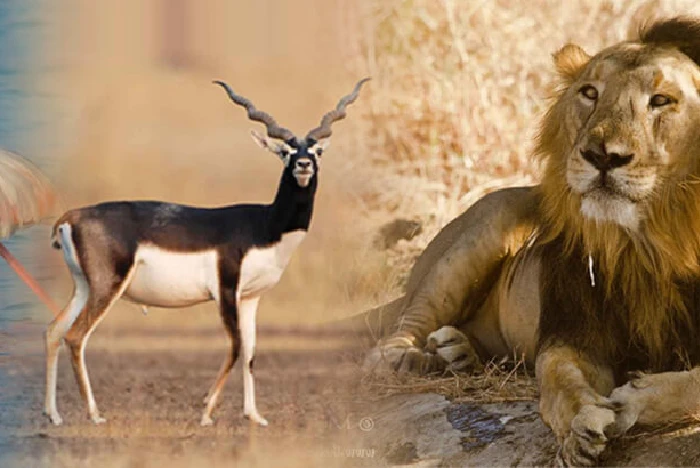
Gujarat Bird Watching & Eco Tourism
Gujarat is one of India's most diverse destinations for bird watching and eco tourism, offering an extraordinary combination of wetlands, lakes, grasslands, salt marshes, coastal habitats and dry landscapes. From the internationally important Nalsarovar wetland near Ahmedabad to the grasslands of Velavadar and the seasonal wetlands of Kutch, Gujarat provides habitats for a remarkable variety of resident and migratory birds.
The state's geographical diversity makes Gujarat bird watching particularly rewarding. Wetlands attract flamingos, pelicans, cranes, ducks, herons and waders, while grasslands and semi-arid ecosystems support raptors, bustards, floricans, harriers and other specialised species. Gujarat Tourism identifies destinations such as Little Rann of Kutch, Jamnagar, Sasan Gir, Nakhatrana and Velavadar as part of the state's bird-watching circuit.
For travellers interested in responsible nature experiences, Gujarat eco tourism offers opportunities to observe wildlife without focusing only on conventional sightseeing. Birding destinations can also introduce visitors to wetland conservation, grassland ecosystems, local communities and the importance of protecting natural habitats.
The best season for many Gujarat bird watching tours is generally the winter period, when migratory birds arrive from colder regions. However, different habitats and destinations offer different birding opportunities throughout the year. For serious birdwatchers, photographers and nature lovers, early mornings are often particularly productive because birds are more active and lighting conditions are favourable.
Nalsarovar Bird Sanctuary
A Wetland Paradise Near Ahmedabad
Nalsarovar is one of the most recognised bird-watching destinations in Gujarat and an important wetland ecosystem near Ahmedabad. The sanctuary covers approximately 120.82 square kilometres and supports more than 250 species of birds, including flamingos, pelicans, egrets, herons and cranes. Nalsarovar was recognised as a Ramsar Wetland of International Importance in 2012.
The extensive lake, shallow waters, islands and surrounding wetland habitat create excellent conditions for waterbirds. During winter, migratory birds significantly increase the diversity and spectacle of the area, making it one of the most popular destinations for bird watching in Gujarat.
Birdwatchers may encounter ducks, geese, spoonbills, cranes, pelicans, flamingos, herons, egrets and several other wetland species. Gujarat Tourism notes that birds such as flamingos, pelicans, egrets, herons, ducks, cormorants and cranes are among the attractions of the sanctuary.
Best Time for Nalsarovar Bird Watching
November to February is generally considered an excellent period for visiting Nalsarovar because migratory birds are present in large numbers. The wider Gujarat Tourism material also highlights winter as the period when large numbers of migratory birds gather at the lake.
Nalsarovar is particularly suitable for travellers who want to combine nature, photography and a relaxed wetland experience during a Gujarat tour.
Thol Lake Sanctuary
A Convenient Birding Destination Near Ahmedabad
Thol Lake Sanctuary is another important bird-watching destination in Gujarat and is particularly accessible for visitors staying in Ahmedabad. The sanctuary covers approximately 7 square kilometres and consists of the lake, marshlands and surrounding scrub and agricultural landscapes. Gujarat Tourism describes it as one of the state's popular birding hotspots.
Thol was originally constructed as an irrigation tank in 1912 and was later declared a bird sanctuary in 1988. Today, the lake provides important habitat for both resident and migratory birds.
Birds to Look For at Thol Lake
Winter is especially attractive for birdwatchers, when flamingos and other migratory species arrive. Pelicans, geese, ducks, cranes and numerous waders can be seen around the wetland. Gujarat Tourism records more than 150 bird species at the sanctuary, while its current destination page refers to more than 160 species.
The surrounding landscape also supports wildlife such as blackbuck, nilgai and jackals, giving visitors an opportunity to experience a broader ecosystem rather than only birdlife.
Why Visit Thol Lake?
Thol is a practical choice for travellers looking for a bird watching place near Ahmedabad. Its accessibility makes it suitable for photographers, families, students, beginners and experienced birdwatchers who want to spend time observing wetland birds without travelling deep into Gujarat.
Khijadiya Bird Sanctuary
A Unique Freshwater and Saltwater Wetland
Located near Jamnagar, Khijadiya Bird Sanctuary is one of Gujarat's most distinctive birding destinations. The sanctuary combines marshlands, mangroves, freshwater and saltwater habitats, creating an exceptionally varied environment for birds. Gujarat Tourism states that the sanctuary covers around 605 hectares and supports more than 220 species, while Incredible India highlights a broader recorded diversity of 314 bird species.
This mixture of habitats is one of the reasons Khijadiya is so interesting for birdwatchers. Different bird species can occupy different ecological zones within the same landscape.
Migratory Birds at Khijadiya
During winter, migratory birds arrive from regions including Iran, Pakistan, Afghanistan and surrounding areas. Flamingos, pelicans, spoonbills, ducks, herons and egrets are among the birds associated with the sanctuary.
Khijadiya was recognised as a Ramsar Wetland of International Importance on 2 February 2022, reinforcing its significance as a wetland conservation site.
Best Time to Visit Khijadiya
November to February is generally an excellent period for migratory bird sightings. The combination of wetlands, mangroves and open landscapes also makes Khijadiya an appealing destination for wildlife photography and nature exploration.
Chhari Dhand
A Hidden Birding Gem of Kutch
Chhari Dhand is a seasonal wetland located near the Banni grasslands and salt flats of Kutch. The name reflects its landscape, with the local term describing a shallow wetland environment. The reserve is particularly appealing to serious birdwatchers and ornithologists looking for less commercialised birding experiences.
The Gujarat Tourism bird-watching guide describes Chhari Dhand as an important wetland habitat supporting around 250 bird species and numerous animal species. The Kachchh district administration separately notes around 370 bird species and highlights its richness in raptors, waterfowl, waders and larks.
Birds of Chhari Dhand
Chhari Dhand is associated with species such as Dalmatian Pelican, Oriental Darter, Black-necked Stork, flamingos, common cranes, spoonbills and various raptors. Gujarat Tourism also highlights species including Grey Hypocolius, White-napped Tit and Macqueen's Bustard as notable birds of the area.
Its remote character and expansive natural surroundings make it particularly attractive to photographers and experienced birdwatchers.
Best Season for Chhari Dhand
The wetland changes considerably according to rainfall and season. Monsoon and winter are important periods for bird activity, with winter particularly rewarding for migratory species. Birdwatchers should plan carefully because the area is considerably more remote than destinations such as Thol or Nalsarovar.
Porbandar Bird Sanctuary
A Small but Important Urban Wetland
Porbandar Bird Sanctuary demonstrates that important bird habitats do not always need to cover vast areas. Located within Porbandar, this protected wetland was declared a sanctuary in 1988 and lies along an important migratory route.
The sanctuary supports a variety of resident and migratory waterbirds. Gujarat Tourism lists approximately 150 bird species and records flamingos, grebes, pelicans, ducks, geese, avocets, coots, cormorants, herons, egrets, storks, ibis, spoonbills, cranes, gulls, terns and other birds.
Flamingos and Waterbirds
Winter transforms Porbandar Bird Sanctuary into an attractive destination for bird enthusiasts. Flamingos are among the most noticeable visitors, while pelicans, ducks, geese, waders and other waterbirds add variety to the birding experience.
Because the sanctuary is located close to Porbandar's urban attractions, it can be incorporated into a broader Gujarat tourism experience combining wildlife, heritage and coastal destinations.
Little Rann of Kutch
Desert Landscape Meets Bird Watching
The Little Rann of Kutch is one of Gujarat's most unusual wildlife landscapes. Its vast salt-marsh environment forms the habitat of the Indian Wild Ass and supports a remarkable range of birds. The Wild Ass Sanctuary covers approximately 4,953 square kilometres and is one of the state's major wildlife and bird-watching destinations.
The landscape changes dramatically with the seasons. Seasonal water accumulation creates wetland conditions that attract migratory birds, while the dry months reveal the distinctive salt-desert environment.
Birds of Little Rann of Kutch
Birdwatchers can look for flamingos, pelicans, spoonbills, cranes, waders, raptors and other species. Gujarat Tourism's bird-watching guide highlights flamingos, pelicans, spoonbills, Glossy Ibis and Painted Storks, while also mentioning species such as Houbara Bustard, Eurasian Marsh Harrier and bee-eaters as notable sightings.
The Little Rann is also unusual because it combines bird watching with wildlife observation. Visitors may encounter Indian Wild Ass, nilgai, blackbuck, chinkara and other animals during wildlife excursions.
Best Time for Little Rann Bird Watching
October to March is an important period for bird activity, with winter being particularly attractive for migratory birds. Gujarat Tourism specifically identifies winter as a prime period for bird watching in the Wild Ass Sanctuary.
For travellers interested in Gujarat eco tourism, the Little Rann offers one of the state's most distinctive combinations of desert landscape, wildlife and bird watching.
Velavadar Blackbuck National Park
Grassland Bird Watching in Gujarat
Velavadar Blackbuck National Park near Bhavnagar provides a completely different birding environment from the wetlands of Nalsarovar and Thol. Instead of focusing primarily on lakes and marshes, Velavadar offers extensive grasslands and scrub habitats.
The park covers approximately 34 square kilometres and is famous for its blackbuck population. It also supports more than 120 bird species in and around the park.
Birds and Raptors at Velavadar
Velavadar is particularly important for grassland birds and wintering raptors. The park is known for harriers that gather in large numbers during winter, creating an impressive evening spectacle. Gujarat Tourism also highlights species such as Stoliczka's Bushchat, Sarus Crane and other grassland birds.
Other species associated with the park include Lesser Florican, Eurasian Griffon Vulture, Red-necked Falcon and Common Crane.
Bird Watching and Wildlife Together
Velavadar is ideal for travellers who want more than conventional bird watching. Blackbuck, nilgai and other wildlife share the grassland ecosystem, while the open terrain provides excellent opportunities for wildlife and landscape photography.
For a Gujarat wildlife tour, Velavadar can therefore provide both bird-watching and broader wildlife experiences within a single destination.
Gujarat Birding Guide
Best Time for Bird Watching in Gujarat
Winter is generally the most rewarding season for bird watching across many of Gujarat's major wetlands and wildlife destinations. From approximately November to February, migratory birds can be seen at destinations such as Nalsarovar, Thol Lake, Khijadiya, Porbandar and the Little Rann.
However, birding conditions vary from one ecosystem to another. Seasonal wetlands can change significantly according to rainfall, while grassland destinations such as Velavadar have their own seasonal birding patterns.
Travellers planning a Gujarat bird watching tour should therefore select destinations according to the species and habitats they are most interested in seeing.
Best Time of Day for Bird Watching
Early morning is generally one of the most productive periods for bird watching. Birds are active, temperatures are relatively comfortable and soft morning light can be excellent for photography.
Late afternoon can also be rewarding, particularly at grassland destinations where raptors and other birds become active before sunset.
What to Carry for Bird Watching
A simple birding kit can significantly improve the experience. Consider carrying:
- Binoculars
- Camera with a suitable telephoto lens
- Field guide or bird identification app
- Comfortable walking shoes
- Neutral-coloured outdoor clothing
- Hat and sunglasses
- Sunscreen
- Drinking water
- Notebook or birding checklist
- Extra batteries or power bank
Avoid excessive noise and sudden movements around birds. A good birding experience depends on observing wildlife without disturbing it.
Responsible Bird Watching
Bird watching should always be combined with responsible tourism. Visitors should maintain a respectful distance from birds and wildlife, avoid loud sounds and never attempt to feed or chase birds for photographs.
Do not enter restricted areas or disturb nesting sites. Follow instructions from forest officials, sanctuary authorities and local guides. Staying on permitted trails and using authorised access routes helps protect sensitive habitats.
Responsible bird watching is an important part of Gujarat eco tourism, ensuring that natural areas remain healthy for both wildlife and future generations.
Best Bird Watching Places in Gujarat
Nalsarovar
Best suited for: Wetland birds, flamingos, pelicans, cranes and migratory waterbirds.
Nalsarovar is one of Gujarat's most established bird-watching destinations and is particularly suitable for travellers visiting the Ahmedabad region. Its large wetland ecosystem and winter migratory bird population make it a major stop on Gujarat birding circuits.
Thol Lake
Best suited for: Flamingos, waterfowl, cranes and waders.
Thol is convenient for Ahmedabad-based travellers and provides an accessible introduction to bird watching in Gujarat.
Khijadiya Bird Sanctuary
Best suited for: Wetland birds, migratory birds, flamingos, pelicans and diverse waterbirds.
Its combination of freshwater, saltwater, marsh and mangrove habitats makes Khijadiya particularly interesting for birdwatchers.
Chhari Dhand
Best suited for: Raptors, waterbirds, cranes, pelicans and specialist birding.
Chhari Dhand is especially attractive to serious birdwatchers looking for a remote wetland environment in Kutch.
Porbandar Bird Sanctuary
Best suited for: Flamingos, pelicans, ducks, waders and coastal-region waterbirds.
Its location within Porbandar makes it convenient to combine bird watching with coastal and heritage tourism.
Little Rann of Kutch
Best suited for: Flamingos, pelicans, raptors, cranes and desert-wetland birds.
The Little Rann is especially distinctive because bird watching takes place within a vast seasonal salt-marsh ecosystem shared with the Indian Wild Ass.
Velavadar
Best suited for: Harriers, grassland birds, cranes, floricans and raptors.
Velavadar provides an excellent contrast to Gujarat's wetland birding destinations because its primary habitat is grassland and scrub.
Gujarat Bird Watching & Eco Tourism Experiences
Bird Photography
Gujarat's combination of open wetlands, grasslands and relatively expansive landscapes creates opportunities for bird photography. Nalsarovar and Thol are attractive for waterbird photography, while Velavadar and Little Rann provide opportunities to photograph birds against open natural landscapes.
Photographers should use long lenses wherever possible and avoid approaching birds too closely.
Wildlife and Birding Combination
One of the strengths of Gujarat tourism is the ability to combine bird watching with other wildlife experiences. Little Rann offers Indian Wild Ass sightings, Velavadar is known for blackbuck, and several wetland areas support other wildlife alongside their bird populations.
Nature and Eco Tourism
Gujarat eco tourism goes beyond wildlife spotting. Wetlands provide opportunities to understand water ecosystems, grasslands demonstrate the importance of open habitats, and Kutch showcases the relationship between seasonal water, salt landscapes and biodiversity.
For travellers interested in sustainable travel, these destinations can offer a deeper understanding of Gujarat's natural heritage.
Why Gujarat Is a Great Destination for Bird Watching
Gujarat's birding appeal comes from the remarkable variety of habitats found across the state. A traveller can experience a freshwater lake near Ahmedabad, saltwater and freshwater wetlands around Jamnagar, coastal wetlands around Porbandar, salt marshes in the Little Rann, Kutch's seasonal wetlands and the grasslands of Velavadar.
This ecological diversity supports different bird communities and makes Gujarat suitable for both first-time birdwatchers and experienced birding enthusiasts.
The state's official tourism resources list a broad bird-watching network that includes Khijadiya, Thol, Nalsarovar, Porbandar, Chhari Dhand, Velavadar, the Wild Ass Sanctuary and several other wildlife destinations.
For travellers planning Gujarat Tour Packages, adding bird watching and eco tourism can transform a conventional sightseeing holiday into a nature-focused Gujarat experience.
Plan Your Gujarat Bird Watching Tour
A Gujarat bird-watching holiday can be customised according to interests, season and preferred wildlife habitats. Travellers can focus on Ahmedabad's wetlands, explore Jamnagar and Saurashtra, discover the bird-rich landscapes of Kutch or combine Little Rann and Velavadar with broader Gujarat wildlife experiences.
Whether you are an experienced birder carrying professional camera equipment or simply a traveller who enjoys watching flamingos, cranes and other beautiful birds in natural surroundings, Gujarat offers an impressive range of possibilities.
Gujarat Tours can help travellers explore the state's bird-watching destinations, wildlife areas and eco-tourism experiences with customised travel arrangements suited to their interests.